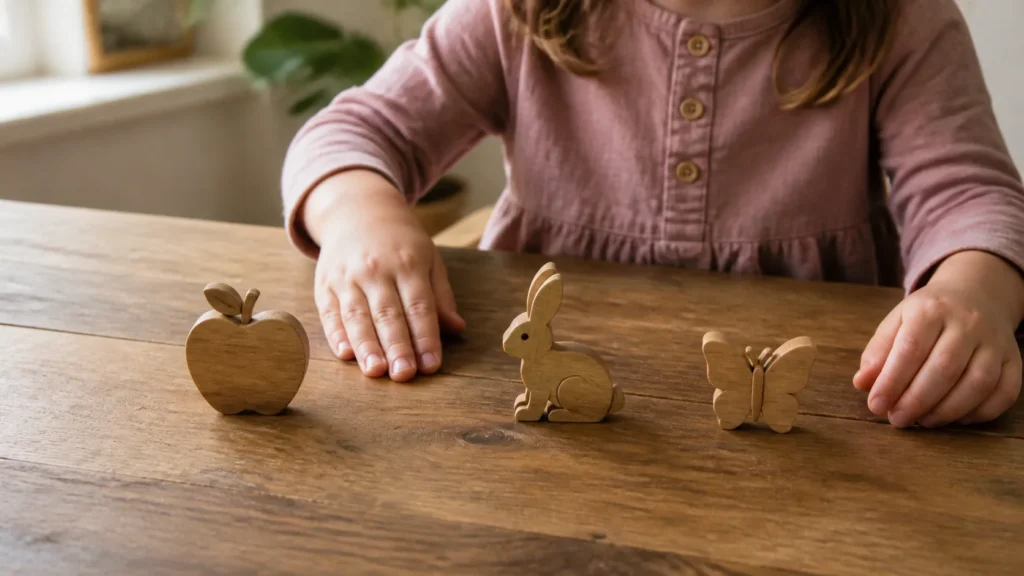
Counting syllables teaches children to hear the beats inside spoken words. Apple has two beats: ap-ple. Butterfly has three: but-ter-fly. Breaking words into parts strengthens pronunciation, vocabulary, and the sound awareness needed for reading and spelling.
Children can practise syllables before they read independently because the activity is based on listening and speaking.
What Is a Syllable?
A syllable is a beat in a spoken word. Each syllable contains a vowel sound. Kindergarten children do not need the formal definition first; they can feel the beats by clapping, tapping, or moving once for each part.
Begin with names. Say a one-beat name such as Ben, a two-beat name such as Ari-anne, and a three-beat name such as Jes-si-ca.
Use the Say-Clap-Count Routine
- Say the complete word naturally.
- Say it slowly while clapping each beat.
- Count the claps.
- Say, “Rabbit has two syllables.”
Keep the word recognizable. Do not stretch individual sounds so much that the child counts phonemes instead of syllables.
Try the Chin Method
Ask the child to place a hand gently under the chin and say a word. The chin drops once for each syllable. This can help when clapping becomes too fast or uneven.
Compare apple, rabbit, and butterfly. Apple and rabbit each have two syllables; butterfly has three.
Sort Words by Syllables
Prepare headings for one, two, and three syllables. Name each picture together, clap it, then place it in the correct group. Begin with familiar words such as cat, pencil, banana, fish, window, and elephant.
Download the Free Counting Syllables Worksheet
Easy Syllable Games
Name Beats
Clap the names of family members, classmates, or favorite characters. Group names with the same number of beats.
Move for Each Beat
Instead of clapping, take one step, tap a drum, or place one block for each syllable.
Mystery Word
Give a clue and the syllable count: “It is a fruit with three syllables.” Let the child guess banana.
Syllable Sort
Collect household objects and sort their names into one-, two-, and three-syllable groups.
Common Difficulties
Children may count individual sounds instead of beats. Return to saying the word normally and use the chin method.
Some words are pronounced differently in different accents. Accept the syllable count that matches the pronunciation used consistently at home or school.
If claps are uneven, place one counter for each beat. The counters remain visible and can be counted afterward.
Frequently Asked Questions
What words are best for beginners?
Start with familiar nouns that have clear one-, two-, or three-syllable pronunciations.
Should written words be shown?
Not at first. Counting syllables is a listening task. Written words can be added after the child understands the beats.
How long should practice last?
Five minutes of lively oral practice is usually enough for kindergarten learners.
Final Thoughts
Syllables become easy to understand when children can feel them. Say the word, clap or tap each beat, and count the movements. Repeat the worksheet button here before the author box.

Will Gab is the creator of Arianne Learning Printables. He started designing worksheets to support his daughter’s kindergarten learning journey. What began as a personal project has grown into a free educational resource for parents, teachers, and children around the world.
Will Gab continues to develop printable activities based on the skills young children need as they prepare for kindergarten and early elementary school.
Related Worksheets:
 Sight Word “And” Worksheet – Read, Write, Trace and Color Activity
 Sight Word “Him” Worksheet – Read, Trace, Write, and Color Printable Activity
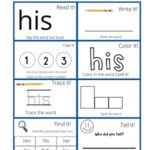 Sight Word “His” Worksheet – Read, Trace, Write, and Color Printable Activity
 Sight Word “if” Worksheet – Read, Write, Trace and Color Activity.
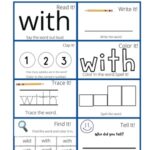 Sight Word “with” Worksheet – Read, Write, Trace and Color Activity.
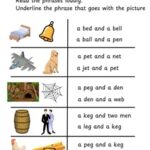 Master Phonics with Free CVC Short E Words Worksheets