
The word “but” helps young readers connect two ideas that do not match or that create a surprise. This free sight word “but” worksheet combines reading, tracing, writing, spelling, and sentence practice so children learn both the printed word and its purpose.
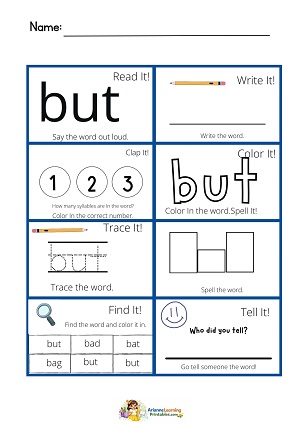
What the Sight Word “but” Means
“But” signals contrast. In “The puppy is small, but it is brave,” the second idea is different from what a reader may expect. Hearing and creating this relationship strengthens comprehension as well as word recognition.
Learning Objective
The child will read “but” automatically, write its three letters in order, and use it to join two contrasting ideas in a complete sentence.
How to Use This Worksheet
Read the large word, spell it aloud, trace it once, and copy it without looking. Complete the finding activity, then read one contrast sentence slowly and a second time with natural expression.
- Read: Say the complete word naturally.
- Trace and write: Check letter order and formation.
- Color and spell: Name each letter while working.
- Find and tell: Locate the exact word and use it in speech.
Teaching Observation
Listen to the ideas on both sides of “but.” A child may read the word correctly yet use it where “and” belongs. Ask, “Are these ideas different?” to check understanding instead of relying only on flash-card speed.
Five Child-Friendly Sentences
- I am tired, but I can finish.
- The box is small but heavy.
- We ran, but we missed the bus.
- I like apples but not pears.
- It is cold, but the sun is out.
Hands-On Practice
Say the beginning of a sentence and invite the child to add a surprising ending: “The box is small, but…” Write the finished sentence together and circle “but.”
A Common Mistake to Watch For
Readers may confuse “but” with “bat” or “bit.” Point to the middle vowel, say its sound, and reread the entire sentence. Avoid teaching the word only by its outline.
Quick Mastery Check
Give the child two opposite ideas. Mastery means the child joins them naturally with “but,” reads the completed sentence smoothly, and writes the word from memory.
Build a Short Reading Routine
Practice for five to ten minutes, then look for “but” in a familiar book or classroom message. Short, repeated encounters support fluent reading better than one long session. Continue with the sight word worksheet collection, explore the phonics and reading hub, or add handwriting practice from the writing and tracing hub.
Download the Free Sight Word “but” Worksheet
Print the PDF on A4 or Letter paper at actual size. Use a pencil for tracing and writing, and crayons for coloring. Revisit the page only when the learner needs a short review.

Will Gab is the creator of Arianne Learning Printables. He started designing worksheets to support his daughter’s kindergarten learning journey. What began as a personal project has grown into a free educational resource for parents, teachers, and children around the world.
Will Gab continues to develop printable activities based on the skills young children need as they prepare for kindergarten and early elementary school.
Related Worksheets:
 Sight Word “And” Worksheet – Read, Write, Trace and Color Activity
 Sight Word “The” Worksheet – Read, Write, Trace and Color
 Sight Word “His” Worksheet – Read, Trace, Write, and Color Printable Activity
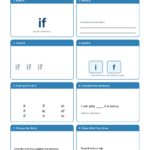 Sight Word “if” Worksheet – Read, Write, Trace and Color Activity.
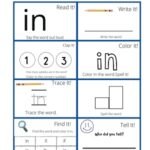 Sight Word “in” Worksheet – Read, Write, Trace and Color
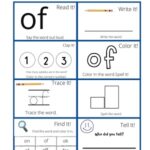 Sight Word “of” Worksheet – Read, Write, Trace and Color
Pingback: How to Teach Letter B Tracing (Free Printable Worksheet for Preschoolers) - Arianne Learning Printables Letter B Tracing Worksheet for Preschool (Free Printable + Activities)