
Teaching letter recognition is one of the most important early literacy skills for young learners. Before children can read words, they must first recognize letters, understand their shapes, and connect them with sounds.
At Arianne Learning Printables, we focus on making learning fun, engaging, and developmentally appropriate for preschoolers and kindergarten learners.
In this guide, you’ll learn:
- What letter recognition is
- Why letter recognition is important
- When children should learn letter recognition
- Step‑by‑step methods to teach letters
- Fun letter recognition activities
- Printable worksheet ideas
What is Letter Recognition?
Letter recognition is the ability to:
- Identify uppercase letters (A, B, C)
- Identify lowercase letters (a, b, c)
- Recognize letters in different fonts
- Match letters with sounds
- Identify letters in words
This is the foundation of reading and writing.
Children who master letter recognition early often develop stronger reading skills later.
Why is Letter Recognition Important?
Letter recognition helps children:
- Develop early reading skills
- Improve phonics understanding
- Build vocabulary
- Improve writing skills
- Increase confidence in learning
When children recognize letters easily, reading becomes less frustrating and more enjoyable.
When Should Children Learn Letter Recognition?
Every child develops at their own pace, but here is a general guideline:
- Age 2–3: Exposure to letters
- Age 3–4: Recognize some letters
- Age 4–5: Recognize most letters
- Age 5–6: Recognize all letters and sounds
The key is consistent exposure and fun learning activities.
Step‑by‑Step: How to Teach Letter Recognition
1. Start With Uppercase Letters
Uppercase letters are easier for children to recognize because:
- They are visually distinct
- Easier to write
- Less confusing than lowercase letters
Start with letters in your child’s name. This makes learning more meaningful.
Example:
If the child’s name is ARIANNE, start with:
A — R — I — A — N — N — E
Children are more motivated to learn letters connected to their identity.
2. Teach Letters Using Multi‑Sensory Activities
Children learn best when they use multiple senses.
Try these activities:
- Tracing letters
- Sand writing
- Playdough letters
- Finger painting letters
- Magnetic letters
Multi‑sensory learning improves memory and engagement.
3. Teach One Letter at a Time
Avoid teaching too many letters at once.
Recommended approach:
- Teach 1–2 letters per week
- Review previous letters daily
- Practice through games and worksheets
This prevents overwhelm and improves retention.
4. Use Letter Recognition Games
Learning through play is very effective.
Here are some fun ideas:
Letter Hunt
Hide letters around the room and ask children to find them.
Alphabet Matching
Match uppercase letters to lowercase letters.
Letter Sorting
Sort letters by:
- Color
- Shape
- Uppercase vs Lowercase
Alphabet Bingo
Use printable bingo cards for letter recognition practice.
5. Teach Letter Sounds Along With Letters
Once children recognize letters, introduce sounds.
Example:
A — /a/ — apple
B — /b/ — ball
C — /c/ — cat
This builds phonics skills and prepares children for reading.
Fun Letter Recognition Activities
Here are some engaging activities parents and teachers love:
1. Letter Tracing Worksheets
Tracing helps children:
- Develop fine motor skills
- Learn letter formation
- Improve recognition
Printable tracing worksheets are perfect for daily practice.
2. Dot Marker Alphabet Activities
Children use dot markers to identify letters.
Benefits:
- Improves hand coordination
- Makes learning fun
- Easy for preschool learners
3. Cut and Paste Alphabet Worksheets
Children cut and match letters.
This helps:
- Letter recognition
- Scissor skills
- Visual discrimination
4. Alphabet Coloring Pages
Coloring letters helps children remember shapes.
Example:
A is for Apple
B is for Ball
C is for Cat
5. Beginning Sound Worksheets
Children match letters with pictures.
Example:
A → Apple
B → Ball
C → Cat
Tips for Teaching Letter Recognition
Keep Lessons Short
Young children have short attention spans.
Recommended:
- 10–15 minutes per session
- Multiple short sessions daily
Make Learning Fun
Avoid pressure. Use:
- Games
- Songs
- Printables
- Hands‑on activities
Fun learning improves retention.
Review Daily
Repetition is key.
- Review previously learned letters
- Mix old and new letters
- Practice in different ways
Use Printable Worksheets
Printable worksheets provide structured learning.
At Arianne Learning Printables, we provide:
- Alphabet tracing worksheets
- Letter recognition worksheets
- Beginning sound worksheets
- Matching worksheets
- Preschool learning printables
These help parents and teachers teach letters effectively.
Common Mistakes to Avoid
Teaching Too Many Letters
This overwhelms children.
Start slow and build gradually.
Forcing Children to Memorize
Learning should be natural and fun.
Avoid pressure.
Skipping Letter Sounds
Letter sounds are essential for reading.
Teach recognition and sounds together.
Final Thoughts
Teaching letter recognition doesn’t have to be difficult. With fun activities, consistent practice, and engaging printables, children can learn letters naturally and confidently.
Start small, keep learning fun, and celebrate progress.
If you’re looking for engaging learning materials, Arianne Learning Printables offers printable worksheets designed to help children master letter recognition.
Helping children learn letters today builds strong readers tomorrow.
FAQs
How do I start teaching letter recognition?
Start with uppercase letters and letters in the child’s name. Use fun activities and printable worksheets.
How long does it take to learn letter recognition?
It depends on the child. With consistent practice, most children learn letters within a few months.
Should I teach uppercase or lowercase first?
Uppercase letters are usually easier, so start with uppercase.
What is the best way to teach letter recognition?
Use a combination of:
- Games
- Worksheets
- Hands‑on activities
- Daily practice
This ensures effective learning.
Related Worksheets:
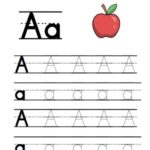 Free Letter A Tracing Worksheet for Preschool (Printable PDF)
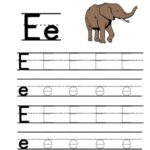 Letter E Tracing Worksheet (Uppercase & Lowercase E) PDF
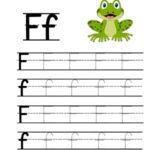 Letter F Tracing Worksheet (Uppercase & Lowercase F)
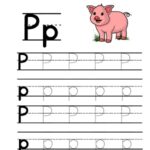 Letter P Tracing Worksheet (Uppercase and Lowercase P)
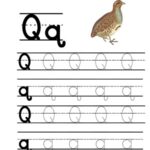 Letter Q Tracing Worksheet (Uppercase and Lowercase Q)
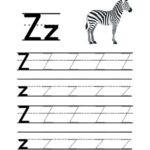 Letter Z Tracing Worksheet (Uppercase and Lowercase Z)
Pingback: Benefits of Tracing Worksheets for Preschool and Kindergarten - Arianne Learning Printables Benefits of Tracing Worksheets for Preschoolers | Improve Writing Skills