
Tracing worksheets are one of the most effective tools for early childhood learning. They help children develop essential skills needed for writing, reading, and overall academic success.
At Arianne Learning Printables, we create engaging tracing worksheets designed to help preschool and kindergarten learners build strong learning foundations.
In this article, you’ll learn:
- What tracing worksheets are
- Benefits of tracing worksheets
- Types of tracing worksheets
- When children should start tracing
- Tips for using tracing worksheets
What Are Tracing Worksheets?
Tracing worksheets allow children to trace lines, shapes, letters, or numbers using dotted or guided paths. These worksheets help children practice writing movements and improve hand control.
Common tracing worksheets include:
- Line tracing
- Shape tracing
- Letter tracing
- Number tracing
- Picture tracing
Tracing is often one of the first steps in learning how to write.
Top Benefits of Tracing Worksheets
1. Improves Fine Motor Skills
Tracing worksheets help children strengthen small hand muscles. These muscles are essential for:
Strong fine motor skills help children perform school tasks more easily.
2. Develops Hand-Eye Coordination
Tracing requires children to follow lines carefully. This improves hand-eye coordination, which is important for:
- Writing
- Reading
- Drawing
- Everyday activities
Children learn to control their hand movements while watching the line.
3. Builds Pre-Writing Skills
Before children learn to write letters, they must develop pre-writing skills.
Tracing worksheets help children practice:
- Straight lines
- Curved lines
- Zigzag lines
- Shapes
These skills prepare children for writing letters and numbers.
4. Improves Pencil Control
Tracing helps children learn how to hold and control a pencil properly.
Children practice:
- Staying within lines
- Following direction
- Controlling pressure
Better pencil control leads to better handwriting.
5. Boosts Letter and Number Recognition
Tracing letters and numbers helps children remember their shapes.
Example:
Tracing A helps children recognize letter A
Tracing 1 helps children recognize number 1
This improves early literacy and math skills.
6. Builds Confidence in Learning
Tracing worksheets are easy for beginners. Children feel successful when they complete tracing activities.
This builds:
- Confidence
- Motivation
- Interest in learning
Confidence encourages children to try more difficult tasks.
7. Encourages Focus and Concentration
Tracing requires children to pay attention and follow directions. This improves concentration and attention span.
These skills help children succeed in school.
Types of Tracing Worksheets
Line Tracing Worksheets
Children trace lines such as:
- Straight lines
- Curved lines
- Zigzag lines
- Spiral lines
These worksheets are best for beginners.
Shape Tracing Worksheets
Children trace shapes like:
- Circle
- Square
- Triangle
- Rectangle
Shape tracing improves early math skills.
Letter Tracing Worksheets
Children trace:
- Uppercase letters
- Lowercase letters
- Alphabet letters
This helps with letter recognition and handwriting.
Number Tracing Worksheets
Children trace numbers:
- 1–10
- 1–20
This helps with counting and number recognition.
Picture Tracing Worksheets
Children trace simple pictures. This improves fine motor skills and creativity.
When Should Children Start Tracing?
General guidelines:
- Age 2–3: Line tracing
- Age 3–4: Shape tracing
- Age 4–5: Letter tracing
- Age 5–6: Sentence tracing
Every child learns at their own pace.
Tips for Using Tracing Worksheets
Keep Sessions Short
Recommended:
- 10–15 minutes
- Daily practice
Start Simple
Begin with line tracing before letters.
Use Fun and Engaging Worksheets
Colorful worksheets keep children interested.
Practice Consistently
Daily practice improves skills faster.
Why Choose Arianne Learning Printables
Arianne Learning Printables offers:
- Line tracing worksheets
- Shape tracing worksheets
- Letter tracing worksheets
- Number tracing worksheets
- Preschool tracing worksheets
Our worksheets are:
- Easy to use
- Fun and engaging
- Perfect for preschool learners
Final Thoughts
Tracing worksheets are an essential part of early childhood learning. They help children develop fine motor skills, improve handwriting, and build confidence.
Using high-quality tracing worksheets from Arianne Learning Printables helps children develop strong learning foundations.
Start tracing today and help children become confident writers.
See also:
- Best Worksheets for Preschool
- How to Teach Letter Recognition
- Preschool Tracing Worksheets
- Letter Tracing Worksheets
- Number Tracing Worksheets
- Fine Motor Skills Activities
FAQs
Why are tracing worksheets important?
Tracing worksheets help children develop writing and fine motor skills.
At what age should children start tracing?
Children can start tracing around age 2–3.
Are tracing worksheets good for preschoolers?
Yes, tracing worksheets help prepare children for writing.
Created by Arianne Learning Printables
Helping children learn through fun and engaging printables
Choosing the Right Tracing Activity
Tracing is most useful when the path matches the child’s current control. Begin with wide vertical and horizontal paths, introduce curves and corners, and only then use smaller letters or numerals. A child who presses hard, rushes, or repeatedly leaves the line usually needs a larger pattern rather than more repetitions of the same page.
What Teachers and Parents Should Observe
- Does the child begin at the indicated starting point?
- Can the pencil stay on the path without an overly tight grip?
- Can the child reproduce the shape once after the dotted model is covered?
- Does the skill transfer to drawing, letter formation, or number writing?
Common Tracing Mistakes
Completing many pages is not the same as learning to write. Avoid hand-over-hand control for every attempt, very small paths for beginners, and praise based only on neatness. Demonstrate once, allow an independent attempt, and adjust the page difficulty from what you observe.
Tracing Readiness Check
The child is ready to advance when they can copy a line, curve, cross, and simple closed shape without a dotted path on two different days. Choose a next step from the writing practice hub or begin with the A–Z letter tracing sequence.

Will Gab is the creator of Arianne Learning Printables. He started designing worksheets to support his daughter’s kindergarten learning journey. What began as a personal project has grown into a free educational resource for parents, teachers, and children around the world.
Will Gab continues to develop printable activities based on the skills young children need as they prepare for kindergarten and early elementary school.
Related Worksheets:
 Best Worksheets for Preschool: A Complete Guide for Parents and Teachers
 How to Teach Counting to Preschoolers: Fun and Easy Learning Guide
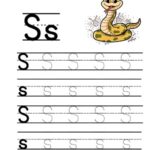 Alphabet Letter Tracing Worksheets A–Z
 How to Prepare My Child to Be Good at Math: 15 Simple Secrets Every Parent Should Know
 Missing Addends Within 10: A Kindergarten Guide and Free Worksheet
 Addition Word Problems Within 10: Kindergarten Activities and Free Worksheet
Pingback: How to Teach Letter A Tracing (Free Printable Worksheet for Preschoolers) - Arianne Learning Printables Letter A Tracing Worksheet for Preschool (Free Printable + Teaching Guide)
Pingback: Best Ways to Teach Handwriting to Preschoolers - Arianne Learning Printables best ways to teach handwriting to preschoolers
Pingback: Alphabet Flash Card Fruit Themed Learning: Why "V is for Vanilla" is Perfect for Kids - Arianne Learning Printables Alphabet Flash Card Fruit Themed Learning: V is for Vanilla