
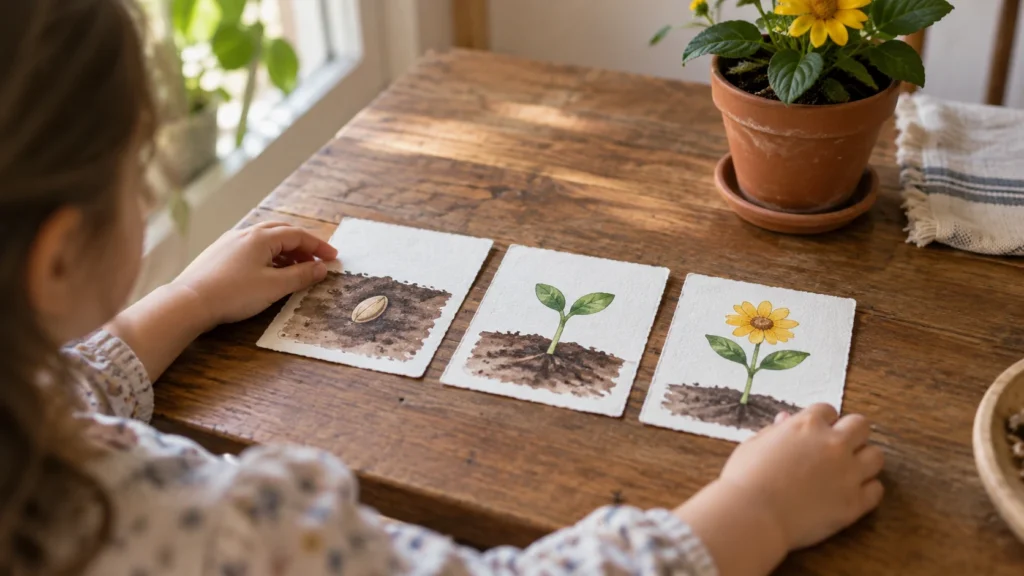
Stories make sense because events happen in an order. When children identify what happened first, next, and last, they strengthen comprehension, oral language, and memory. Sequencing also helps them follow instructions and retell experiences clearly.
Begin with routines the child knows well. Brushing teeth or planting a seed is easier to order than an unfamiliar fictional plot.
Teach First, Next, and Last
Choose a three-step action. For washing hands, we turn on the water first, use soap next, and dry our hands last. Act out the steps, mix up three picture cards, and ask the child to restore the order.
Use the same transition words while speaking. After the cards are ordered, ask the child to tell the whole sequence without help.
Why Sequencing Supports Reading
A child who can follow events is better prepared to retell a story, notice cause and effect, and make predictions. Sequencing also reveals whether the child understood the text rather than recalling isolated details.
For extra decodable reading practice, try the CVC short A fluency worksheets.
Free Story Sequencing Kindergarten Worksheet
The first A4 page includes two familiar three-step stories. Children number the pictures or captions in order. On page two, they draw their own beginning, middle, and ending and retell the story aloud.
Download the Free Sequencing Worksheet
Print at 100%. Read the captions aloud if needed. Ask questions instead of giving the order: “Could the flower bloom before the seed is planted? Why not?”
Simple Sequencing Activities
- Photograph three steps of a household task and arrange the photos.
- Mix up pictures from a familiar rhyme.
- Pause during a read-aloud and ask what may happen next.
- After an outing, name the first, next, and last thing you did.
Children who want to write can use the simple sentence tracing worksheets.
Frequently Asked Questions
Is sequencing only a reading skill?
No. It also supports routines, science observations, math procedures, and clear speaking.
Should children write full sentences?
Not necessarily. They may point, number, draw, or retell orally.
Retell It in Your Own Words
Ask for a complete retelling using first, next, and last. That conversation turns the worksheet into meaningful comprehension practice.
Download the Free Sequencing Worksheet

Related Worksheets:
 Master Phonics with Free CVC Short E Words Worksheets
 Beginning Sounds for Kindergarten: Easy Activities and Free Worksheet
 Sight Word “Him” Worksheet – Read, Trace, Write, and Color Printable Activity
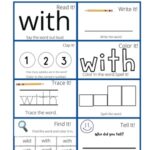 Sight Word “with” Worksheet – Read, Write, Trace and Color Activity.
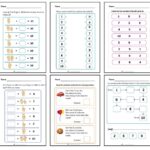 Number Bonds to 10 Worksheets for Kindergarten (Free Printable Finger Math Activities)
 Make Ten Strategy for Kindergarten: A Simple Finger Math Guide