How to Teach Letter Recognition: A Complete Guide for Parents and Teachers
Teaching letter recognition is one of the most important early literacy skills for young learners. Before children can read words, […]
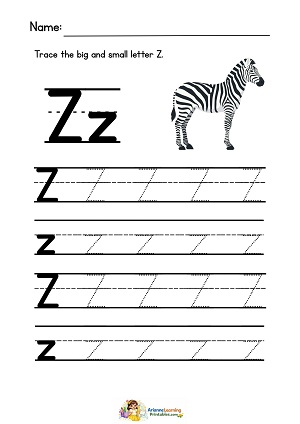
The letter Z helps children practice fast direction changes using horizontal and diagonal strokes. It’s a great exercise for improving
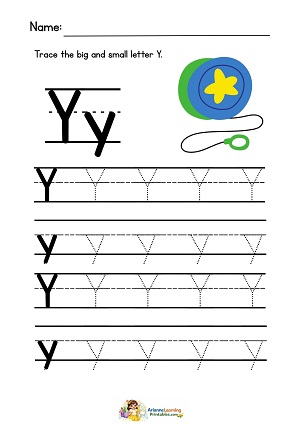
The letter Y introduces split strokes, where two diagonal lines meet and continue downward. This helps children improve coordination and
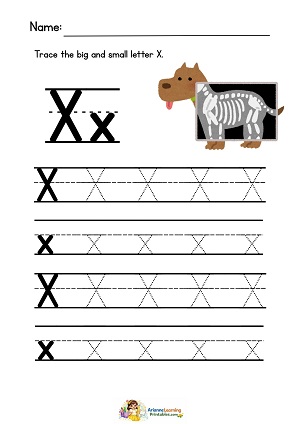
The letter X teaches children how to create crossing diagonal lines. This improves coordination and helps children understand line intersections.
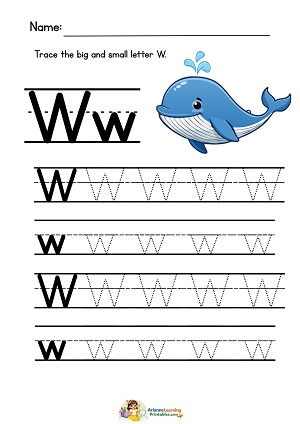
The letter W helps children practice repeated diagonal movements and pattern recognition. Since W is made of connected V shapes,
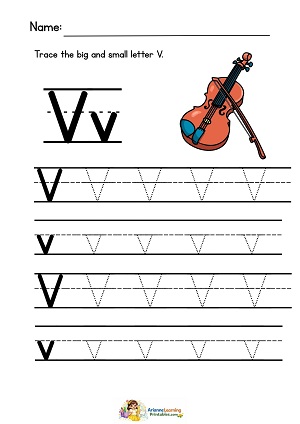
The letter V teaches children how to create sharp angles using diagonal strokes. This helps improve writing precision and directional
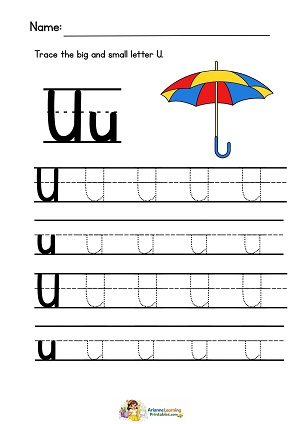
The letter U helps children practice smooth downward and upward movements connected by a rounded bottom curve. This improves hand
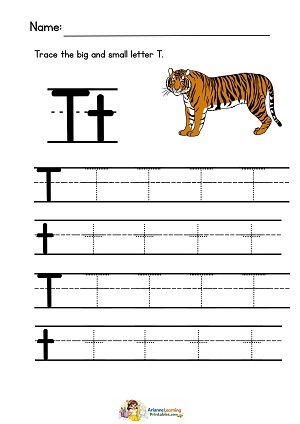
The letter T helps children learn how to position crossing lines correctly. Although the shape is simple, accurate placement of
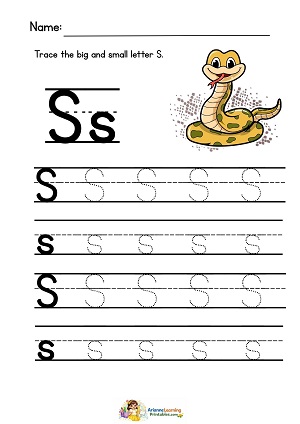
The letter S is one of the more advanced letters because it requires smooth transitions between upper and lower curves.
The letter R combines several writing skills into one letter. Children must draw a straight line, add a curve, and