
Teaching handwriting to preschoolers can be exciting, creative, and rewarding when children learn through play and engaging activities. Early handwriting skills help young learners improve fine motor control, letter recognition, confidence, and readiness for kindergarten.
The best approach is to make handwriting fun instead of stressful. Preschoolers learn best with hands-on activities, tracing worksheets, coloring exercises, and playful repetition.
If you are looking for the best ways to teach handwriting to preschoolers, this guide will help you get started with simple and effective strategies.
Why Handwriting Is Important for Preschoolers
Handwriting is more than simply writing letters. It helps children develop:
- Fine motor skills
- Hand-eye coordination
- Pencil control
- Letter recognition
- Reading readiness
- Confidence in learning
Young children who practice tracing and pre-writing activities often develop stronger writing skills later in kindergarten and elementary school.
You can also explore the benefits of tracing activities in this related article: Benefits of Tracing Worksheets for Preschool and Kindergarten
1. Start With Fine Motor Activities
Before children can properly write letters, they need strong hand muscles and finger control.
Try activities such as:
- Playing with clay or playdough
- Using child-safe scissors
- Coloring pictures
- Dot marker activities
- Bead threading
- Building blocks
Dot marker worksheets are excellent for improving hand coordination. Try these printable activities:
These activities prepare little hands for pencil control.
2. Teach Proper Pencil Grip Early
A good pencil grip makes handwriting easier and more comfortable.
Help preschoolers learn to:
- Hold the pencil using three fingers
- Relax their hand while writing
- Keep proper sitting posture
- Use the other hand to hold the paper
Short crayons and triangular pencils can encourage proper grip naturally.
Avoid forcing perfect handwriting too early. Focus first on comfort and control.
3. Begin With Simple Tracing Lines and Shapes
Preschoolers should first practice tracing:
- Straight lines
- Curved lines
- Zigzags
- Circles
- Squares
- Simple patterns
Tracing activities help children control pencil movement before writing letters.
This printable tracing activity is great for beginners:
Trace and Color Symmetrical Pictures
4. Introduce Letter Tracing Worksheets
Once children are comfortable tracing lines, start introducing alphabet tracing worksheets.
Teach one letter at a time and repeat often.
Helpful printable worksheets include:
- Letter A Tracing Worksheet
- Letter B Tracing Worksheet
- Letter C Tracing Worksheet
- Letter D Tracing Worksheet
You can also explore the complete collection here:
Alphabet Letter Tracing A-Z
5. Use Multi-Sensory Handwriting Activities
Preschoolers learn faster when they use multiple senses during learning.
Try writing letters using:
- Sand trays
- Finger painting
- Shaving cream
- Salt trays
- Air writing
- Rainbow writing with crayons
These activities make handwriting enjoyable and less intimidating.
6. Teach Letter Recognition Together With Writing
Children learn handwriting better when they recognize letters visually and verbally.
Pair handwriting practice with:
- Alphabet songs
- Flashcards
- Letter matching games
- Alphabet coloring pages
You can use these resources:
7. Keep Practice Sessions Short
Preschoolers have short attention spans. Keep handwriting lessons:
- Fun
- Positive
- Short
- Interactive
A good practice time is usually:
- 5–15 minutes for ages 3–4
- 10–20 minutes for ages 4–5
Stop before frustration begins.
8. Use Sight Words for Simple Writing Practice
Once children begin recognizing letters, introduce easy sight words.
Simple tracing and writing exercises improve confidence and reading readiness.
Try these beginner sight word worksheets:
- Sight Word “And
- Sight Word “The”
- Sight Word “You”https://ariannelearningprintables.com/sight-word-you/
These activities combine handwriting and reading practice together.
9. Make Handwriting Fun With Coloring Activities
Coloring improves hand strength and pencil control while keeping children engaged.
Fun printable activities include:
Coloring activities help preschoolers develop important pre-writing skills naturally.
10. Celebrate Progress and Encourage Confidence
Every child learns handwriting at a different pace.
Celebrate:
- Small improvements
- Completed worksheets
- Correct letter formation
- Effort and participation
Positive encouragement builds confidence and motivation.
Avoid comparing children to others.
Ideal Age to Teach Handwriting
Most preschoolers begin pre-writing activities around ages 3–4.
Formal handwriting practice usually starts between:
- Ages 4–5 for uppercase letters
- Kindergarten age for more structured writing
The goal during preschool is not perfect handwriting but developing readiness skills.
The best ways to teach handwriting to preschoolers involve patience, fun activities, tracing practice, and positive encouragement. Children learn faster when lessons feel playful and stress-free.
Using printable worksheets, tracing exercises, dot marker activities, and coloring pages can make handwriting enjoyable while strengthening important early learning skills.
If you are looking for more printable preschool resources, visit:
Best Worksheets for Preschool
With consistent practice and encouragement, preschoolers can build strong handwriting foundations that support future reading and writing success.

Will Gab is the creator of Arianne Learning Printables. He started designing worksheets to support his daughter’s kindergarten learning journey. What began as a personal project has grown into a free educational resource for parents, teachers, and children around the world.
Will Gab continues to develop printable activities based on the skills young children need as they prepare for kindergarten and early elementary school.
Related Worksheets:
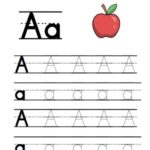 How to Teach Letter A Tracing (Free Printable Worksheet for Preschoolers)
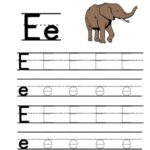 How to Teach Letter E Tracing (Free Printable Worksheet for Preschoolers)
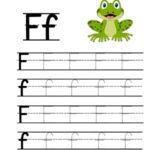 How to Teach Letter F Tracing (Free Printable Worksheet for Preschoolers)
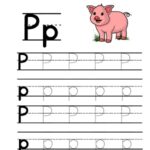 How to Teach Letter P Tracing (Free Printable Worksheet for Preschoolers)
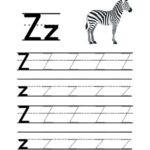 How to Teach Letter Z Tracing (Free Printable Worksheet for Preschoolers)
 How to Teach Letter Recognition: A Complete Guide for Parents and Teachers
Pingback: Free CVC u Pattern Worksheets for Kindergarten Phonics - Arianne Learning Printables